

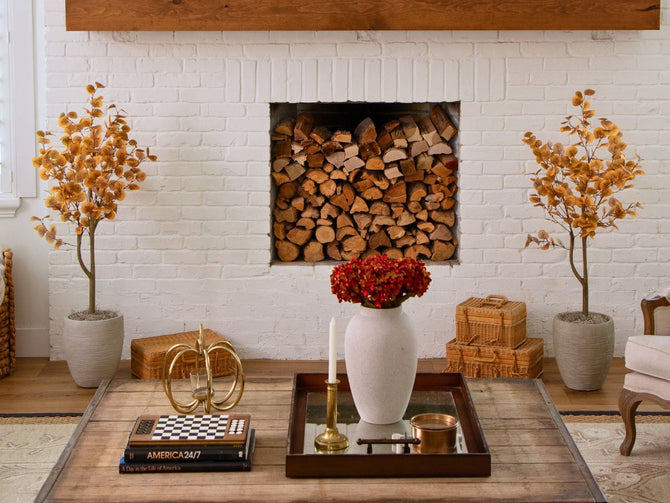

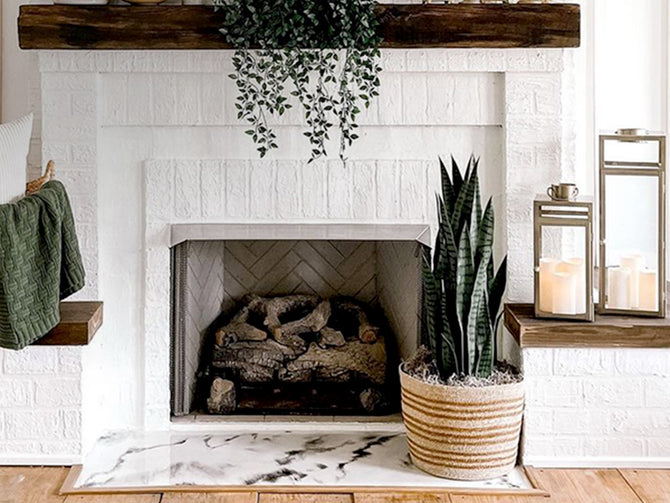
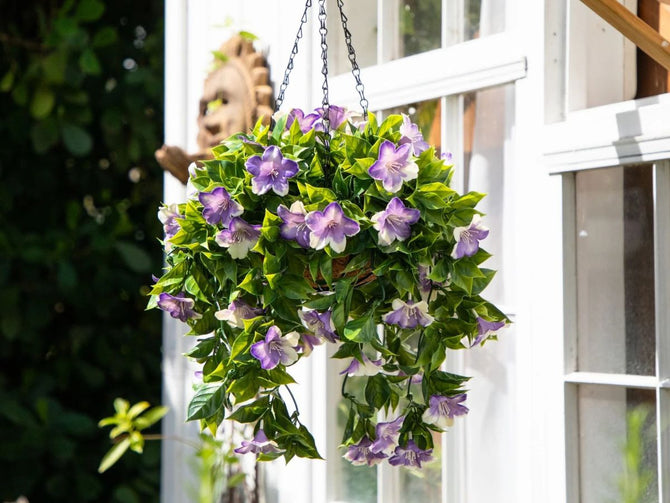
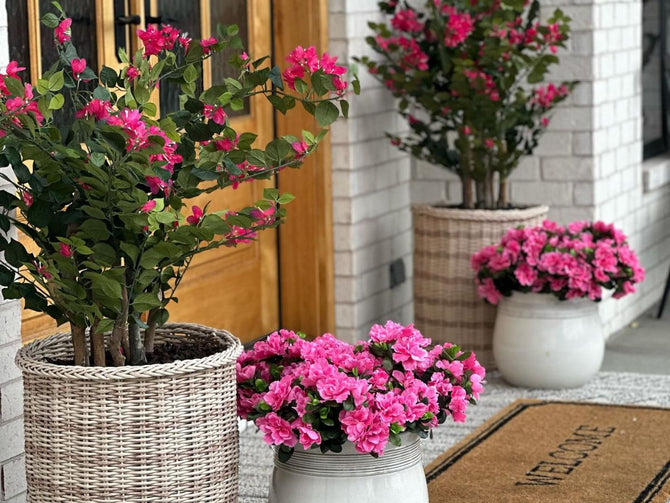
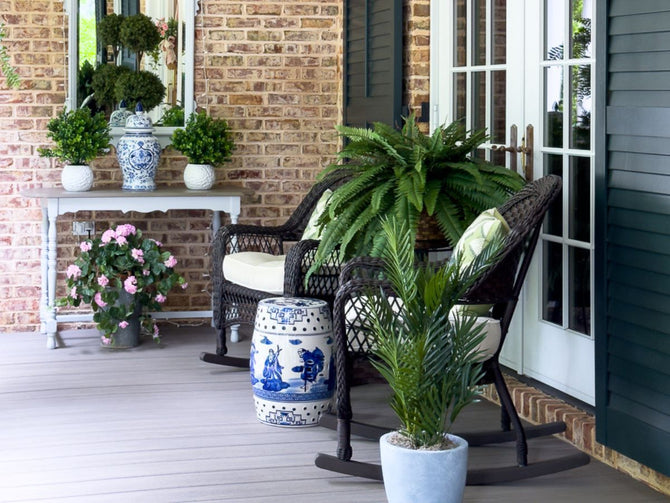
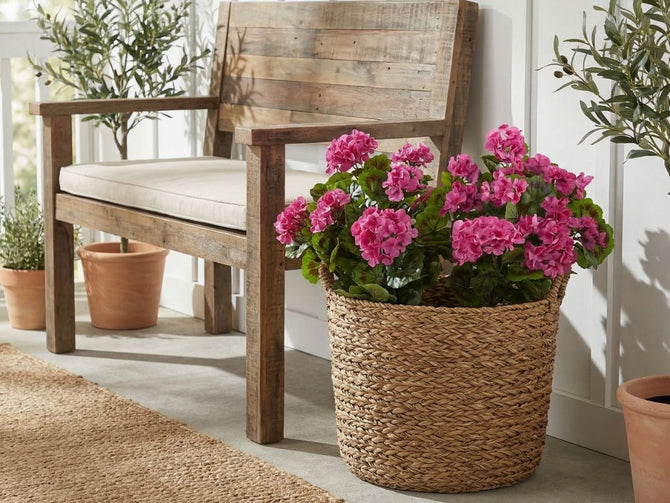
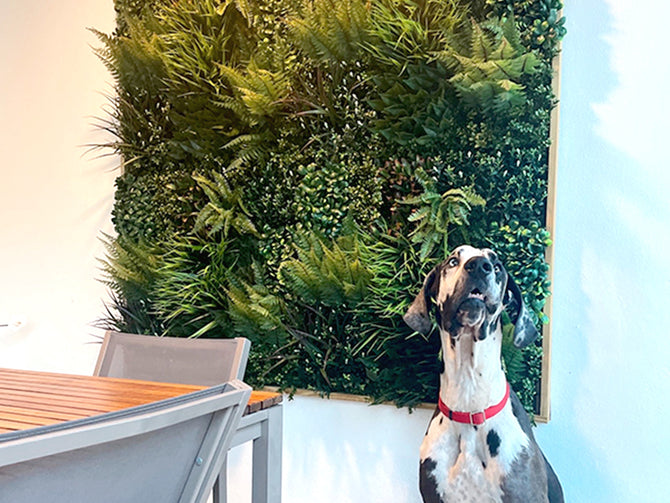



Professional spaces shape how people see your brand. Clean design builds trust. Simple greenery can make a space feel calm and welcoming.
Many offices, stores, clinics, and hotels use plants to soften hard surfaces. However, real plants need care. They require watering, trimming, and proper light. In busy environments, this can be difficult.
Artificial plants offer a simple solution. They give you the look of greenery without daily upkeep. For commercial spaces, this reliability matters.
Why Artificial Plants Work in Professional Spaces
Businesses need décor that looks good every day.
Consistent Appearance
Artificial plants keep their shape and color all year. Real plants can wilt or lose leaves. Artificial greenery stays neat and uniform.
No Ongoing Care
Offices do not always have strong natural light. Indoor artificial plants do not need sunlight or watering so they can be placed anywhere.
Cleaner for Shared Areas
Real plants may create soil mess or water spills. In healthcare and retail spaces, cleanliness is important. Artificial plants remove that concern.
You can explore a range of artificial plants for indoor and outdoor use designed for long-term performance.

Artificial Plants vs. Real Plants
Real plants depend on light, temperature, and care. If conditions change, their appearance changes too.
Artificial plants give you control. They look the same in every season. Businesses avoid maintenance costs and plant replacement.
For companies with multiple offices, this consistency supports brand standards across locations.
What Are Artificial Plants Made Of?
The term “silk plants” is common in the industry. However, modern artificial plants are not made from natural silk.
Manufacturers use durable synthetic materials. These materials are designed to look realistic and last for years. They are suitable for both indoor and outdoor artificial use.
The focus is durability and realism, not natural silk fabric.
Best Types of Artificial Plants for Offices
Different spaces need different sizes.
Floor Plants and Artificial Trees
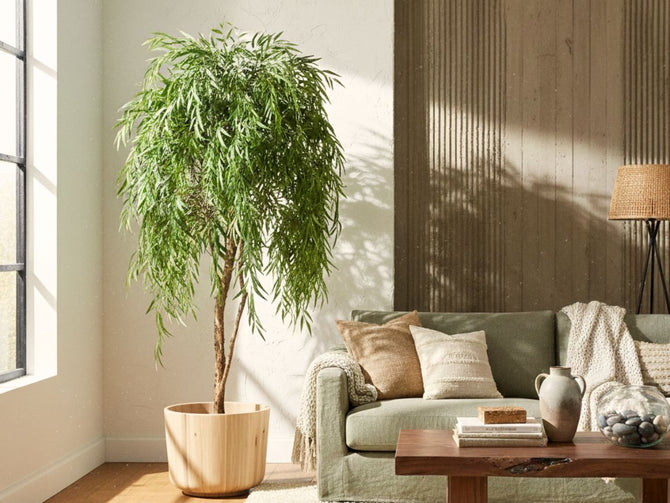
Reception areas benefit from larger artificial floor plants. These pieces add height and balance the room.
You can browse options in the artificial floor plants collection for commercial settings.
Medium Plants for Corners
Corners often feel empty. Medium-sized faux plants fill the space without blocking walkways.
Smaller Plants for Desks
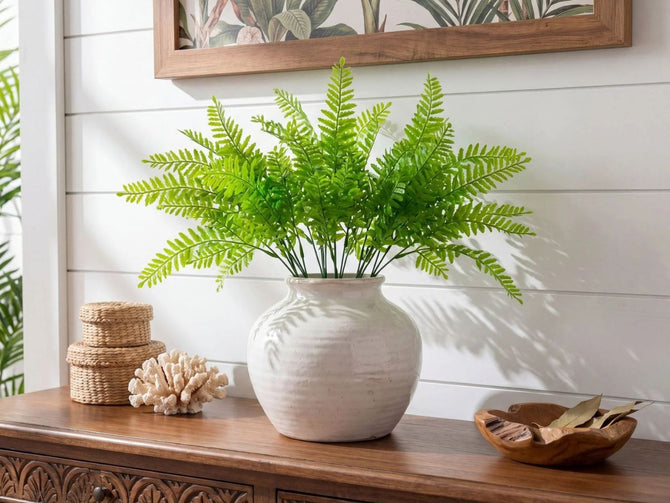
Compact artificial plants work well on desks and shelves. They add warmth without taking up a workspace.
Where Artificial Plants Make the Most Impact
Placement matters.
Large plants frame entrances and define seating areas. Conference rooms feel less rigid with greenery in corners.
Small artificial plants placed indoors improve desk spaces without distraction.
Outdoor entryways benefit from durable outdoor artificial greenery that maintains its color over time.
Designing a Clean, Professional Look
Keep the design simple.
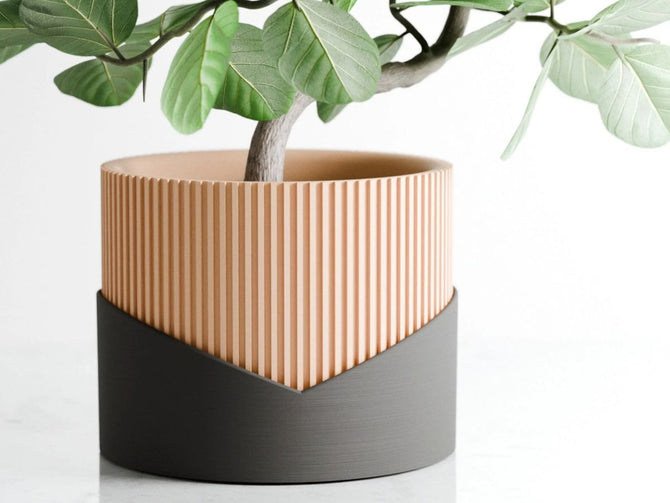
Choose natural foliage shapes. Avoid overly decorative styles. Use neutral planters that match furniture and flooring.
Spread plants evenly across the space. Do not group all greenery in one area. Balance makes a room feel complete.
The same principle works in a living room at home. Greenery should support the design, not overpower it.
Long-Term Value
Commercial décor should last.
High-quality artificial plants keep their appearance over time. You can move them easily if layouts change.
Compared to real plants, artificial greenery lowers long-term costs. Businesses benefit from predictable expenses and steady presentation.
Conclusion
Artificial plants offer a practical solution for professional environments. They provide the look of greenery without the upkeep of real plants.
From reception areas to outdoor entrances, artificial floor plants and faux greenery create clean, consistent spaces. Whether used in a home or office, they deliver reliable style and lasting value.

