




How to Create a Cohesive Home with Artificial Trees
Michelle GarciaA cohesive home does not happen by accident. Designers create flow by repeating shapes, colors, and textures across rooms. The result feels balanced and intentional rather than random.
One of the most effective tools for achieving this look is the use of artificial trees. Unlike small decorative accents, faux trees anchor a space. They add height, structure, and visual rhythm from room to room.
When chosen thoughtfully, artificial trees help unify your home while offering convenience and peace of mind that real plants cannot always provide.
What Makes a Home Feel Cohesive
Cohesion comes from consistency.
Repetition Without Duplication
Designers repeat similar elements in different ways. A tall artificial tree in the living room may be echoed by a slimmer version in the bedroom. The look feels connected without feeling identical.
Consistent Scale and Tone
When décor shares similar proportions and foliage tones, rooms feel balanced. Mixing drastically different shades of green can disrupt harmony.
Greenery as a Design Thread
Greenery softens furniture lines and connects materials like wood, metal, and upholstery. Artificial trees create this continuity without seasonal changes or maintenance concerns.

Why Artificial Trees Work So Well in Home Design
Designers favor artificial trees because they offer control and reliability.
Predictable Size and Shape
Real plants grow unevenly and require specific care. Artificial trees maintain their intended silhouette, making space planning easier and more precise.
Low Maintenance, Year-Round Appeal
Faux trees require no watering, trimming, or sunlight. They provide greenery without leaf drop, discoloration, or seasonal decline.
Easier to Achieve a Perfect Fit
Because artificial trees maintain their dimensions, they fit precisely into designed layouts. You can plan confidently without worrying about growth patterns.
Explore our collection of artificial trees designed for long-term styling flexibility.
Choosing the Right Artificial Trees for Your Space
Selecting the right artificial tree depends on scale and layout.
Ceiling Height and Floor Space
Tall ceilings support larger statement pieces. Smaller rooms benefit from slim silhouettes that add height without visual bulk.
Statement Pieces vs. Supporting Trees
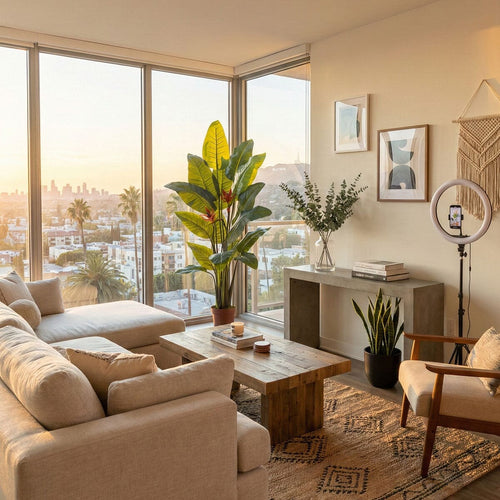
A tree style like a fiddle leaf fig tree creates a strong focal point in living rooms and offices. More understated faux trees work well in secondary spaces.
For dramatic impact, browse our curated selection of faux statement trees.
For designer favorites, explore fiddle leaf trees.
Choosing the right proportion keeps the room visually balanced.

Creating Visual Flow from Room to Room
Consistency builds connection.
Repeat similar foliage styles throughout the home. Use related shades of green in different spaces. Vary height while maintaining a similar leaf structure.
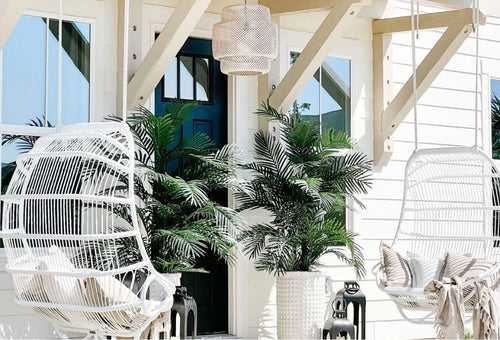
In open layouts, artificial trees guide the eye naturally from one area to another. They help define spaces without adding walls or barriers.
Balancing Artificial Trees with Furniture and Décor
Greenery should enhance, not overwhelm.
Place artificial trees where they soften hard edges such as corners or beside structured furniture. Leave breathing room around the base to avoid clutter. Negative space makes the arrangement feel intentional.
Avoid layering too many accessories around the tree. Let it stand as a sculptural element within the room.
Styling Artificial Trees by Room Type
Different rooms call for thoughtful placement.
Living Rooms
Use taller artificial trees to anchor seating areas and fill vertical space.
Entryways
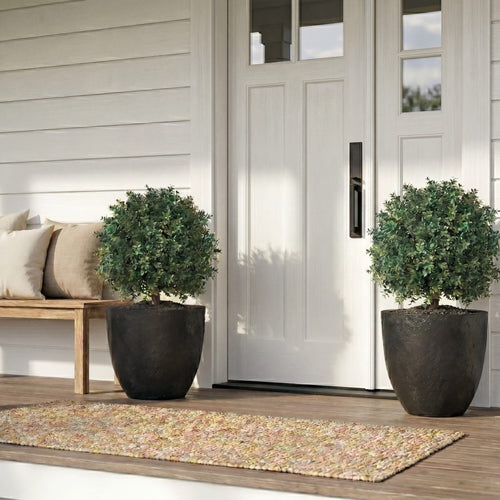
Slim faux trees create a welcoming impression without blocking traffic flow.
Dining Areas
Medium-height trees balance the clean lines of tables and chairs.
Bedrooms
Choose softer silhouettes that maintain a calm atmosphere.
Home Offices
Greenery reduces visual rigidity and introduces warmth.
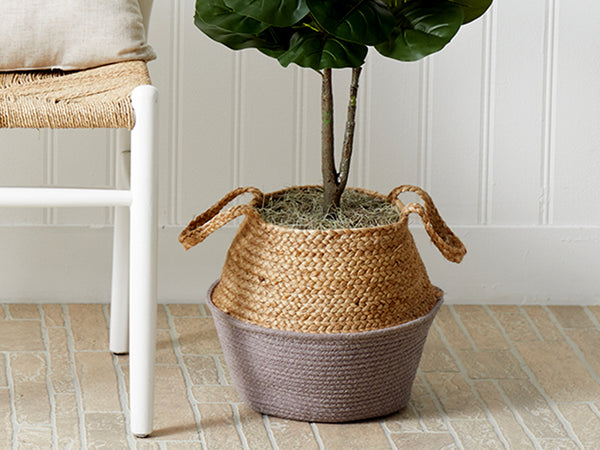
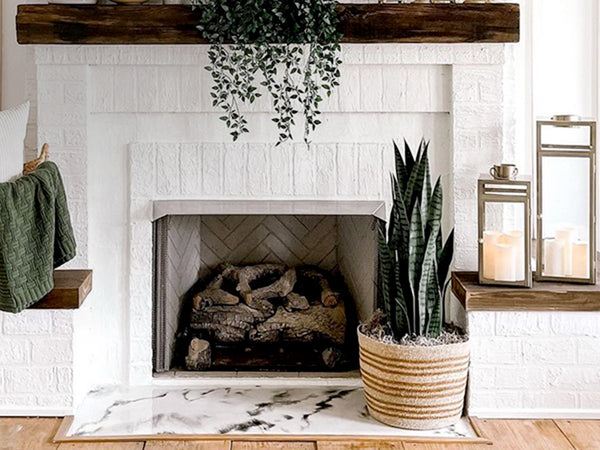
Pair your artificial trees with decorative planters that complement your materials and finishes.
Planter choice plays a significant role in achieving a cohesive home aesthetic.
Artificial Trees vs. Seasonal Decor
Seasonal décor, such as Christmas trees, delivers impact for a limited time. Artificial trees serve as permanent design elements.
Rather than replacing greenery throughout the year, refresh styling details. Update planters, adjust surrounding décor, or introduce subtle lighting.
Artificial trees provide structure that adapts to seasonal changes without disrupting your overall aesthetic.
Designer Finishing Touches
Small adjustments elevate the result.
Choose planters that align with your home’s material palette. Position artificial trees near natural light sources to enhance realism. Step back and assess visual balance before adding more décor.
When a space feels calm and proportionate, the design is complete.
Conclusion
Artificial trees are strategic design tools. They create height, structure, and repetition across rooms. Unlike real plants, they maintain their appearance year-round and offer peace of mind.
By selecting the right scale, repeating foliage thoughtfully, and allowing space around each piece, you can build a cohesive home aesthetic that feels intentional and refined.
Quality faux trees deliver long-term value while supporting a balanced and polished interior.