





Most Popular Indoor Trees for 2026: Olive, Ficus & More
Michelle GarciaIndoor trees continue to shape home decor in 2026. Designers and homeowners are choosing taller greenery to add structure, warmth, and balance to modern interiors. This shift is driven by biophilic design, social media influence, and a growing preference for calm, natural spaces.
Artificial indoor trees make this trend easy to adopt. They deliver the look of real greenery without watering, pruning, or light requirements. From olive trees inspired by Mediterranean styles to sculptural ficus and clean evergreen forms, the popular indoor trees for 2026 reflect a focus on scale, texture, and low-maintenance design.
Why Indoor Trees Are Trending for 2026
Natural materials and soft, neutral colors remain central to 2026 interiors. Indoor trees support this direction by adding height and organic form without cluttering a room. They often act as a visual anchor, helping large spaces feel complete.
Tall trees are especially effective in open layouts with large windows. They balance negative space and create a natural focal point in living rooms and shared areas.
Faux trees are becoming more popular because they remove common challenges. They work well in low-light rooms, stay consistent year-round, and suit homes where maintaining a green thumb isn’t realistic. Today’s trending styles fall within Nearly Natural’s collection of artificial trees, which mirror real plant structure while staying practical.

Faux Olive Trees: A Mediterranean Classic
The faux olive tree remains one of the strongest indoor tree trends for 2026. Its light, airy branches and muted gray-green leaves fit easily into modern interiors. Olive trees work well in Mediterranean, coastal, Scandinavian, and minimalist spaces.
Slim silhouettes, especially in the 5–7 foot range, add height without overwhelming a room. These trees pair naturally with linen fabrics, light woods, and stone accents. Their neutral tones make them easy to style and long-lasting in evolving home decor trends.
This look is reflected across Nearly Natural’s selection of faux olive trees, which emphasize balance and understated structure.

Ficus Trees: Full, Sculptural, and Reliable
Ficus trees continue to rank among the best indoor trees for both homes and offices. Popular varieties include fiddle leaf figs, rubber trees, and weeping ficus. Each adds fullness and strong structure to a space.
A faux ficus tree solves many problems linked to real plants. It does not drop leaves, react to light changes, or require regular care. This makes it ideal for people who want greenery without committing to a green thumb routine.
Ficus trees are often used as tall faux trees for living rooms, where they help define seating areas and soften architectural lines. These qualities appear throughout Nearly Natural’s range of artificial ficus trees.
Cedar & Evergreen Trees: Clean and Structured
Indoor evergreen trees bring structure without visual weight. Cedar and podocarpus styles are especially popular in Japandi, modern, and contemporary interiors.
An artificial cedar tree adds height and texture while maintaining a calm, refined look. Unlike real evergreens, faux versions do not dry out or fade over time. They keep their shape and color, making them a stable element in long-term home decor.
These characteristics can be found across Nearly Natural’s assortment of silk cedar plants.
Dracaena (Corn Stalk) Trees: Vertical Statements
Dracaena trees, sometimes labeled as corn stalk trees, are gaining attention for their vertical growth and clean form. They work well in apartments, entryways, and office corners that need height without bulk.
Dracaena is often associated with balance and positive energy, which aligns with the wellness-focused direction of 2026 interiors. Faux dracaena trees offer the same bold look while adapting easily to different lighting conditions.
Get this look with Nearly Natural’s silk dracaena plants.
Palm Trees: Soft and Relaxed
Palm trees bring a casual, resort-inspired feel into the home. Areca, kentia, and traveler’s palm styles pair well with neutral palettes and natural light.
Real palms often require humidity and consistent warmth. Artificial palm trees remove these limitations, making them easier to use year-round indoors. They suit bedrooms, sunlit living rooms, and open corners where a softer look is preferred.
This relaxed style can be found in Nearly Natural’s range of artificial palm trees.

Bonsai & Citrus Trees: Small-Scale Personality
Bonsai and citrus trees work well in compact spaces. Bonsai trees bring a sense of order and artistry to desks, shelves, and side tables.
Citrus trees add subtle color and visual interest, especially in kitchens and home offices. Both styles offer indoor greenery ideas that enhance personality without overwhelming the room.
Get these looks with Nearly Natural’ s artificial bonsai trees and artificial citrus tree collections.
How to Choose the Right Indoor Tree
Start by matching the tree style to your interior. Olive trees suit Mediterranean or relaxed spaces. Ficus and cedar fit modern homes. Dracaena works well in narrow areas that need height.
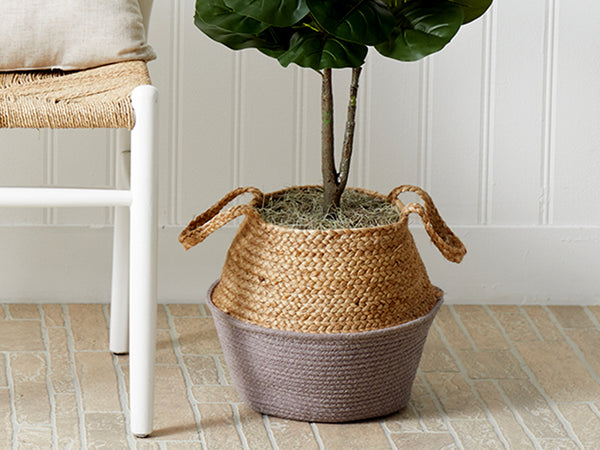
Scale matters. Higher ceilings can support taller trees, while compact rooms benefit from slimmer shapes. Planter choice also affects the final look. Woven baskets feel warm, ceramic pots feel refined, and concrete planters add structure.
Faux trees are ideal for low-light rooms and busy households that want greenery without maintenance.
Styling Indoor Trees in 2026
In 2026, indoor trees will be styled with intention. Neutral planters, natural textures, and minimal accessories keep the look balanced. Trees are often placed in empty corners, near sofas, or beside windows to improve flow.
Social media continues to influence design choices. “Home refresh” content shows how a single tall tree can elevate a space without a full redesign.
Conclusion
Indoor trees remain a key design element for 2026. Olive, ficus, cedar, palm, and dracaena styles lead current trends by offering structure, warmth, and natural texture. Artificial trees make these looks more accessible by removing maintenance concerns. They allow homeowners to enjoy greenery that supports modern home decor while fitting real-life routines.