


Valentine’s Day decorating continues to grow in 2026, with seasonal trees becoming a popular winter décor choice. Inspired by cozy interiors, soft lighting, and social media trends, many homeowners now extend decorating beyond Christmas. Valentine’s trees, heart accents, and coordinated décor bring warmth into indoor spaces during colder months.
Artificial Valentine’s décor offers a simple, reusable way to refresh interiors. These pieces are easy to store, require no maintenance, and work well in modern homes. From tabletop trees to wreaths and garlands, Valentine décor adds charm without extra effort and fits easily into indoor Valentine decorations.
Why Valentine’s Day Trees Are Trending
Seasonal decorating no longer stops after the holidays. Homeowners enjoy refreshing their space throughout winter and beyond. Valentine’s Day trees add soft lighting when natural light is limited. They create a cozy feel without heavy décor.
Social platforms like Pinterest and Instagram also influence this trend. Seasonal tree styling is now used for multiple holidays. Artificial trees fit modern lifestyles. They are reusable, easy to store, and mess-free.

Lighted Valentine’s Day Trees (18”–6’)
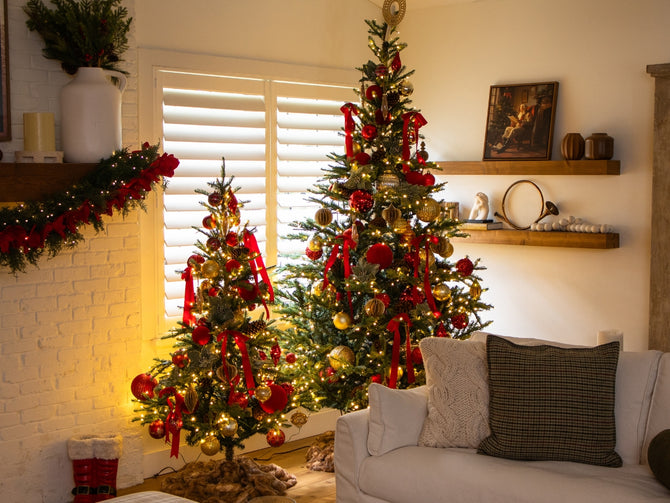
A lighted Valentine’s tree often serves as the main décor piece for the season. Many combine soft lighting with simple heart accents. Small tabletop trees work well on desks, shelves, and entryways. Medium and tall trees fit living rooms and open corners.
Warm white lighting pairs best with Valentine’s décor. It adds glow without looking overdone and suits apartments and shared spaces.
Decorating a Valentine’s Day Tree with Heart Accents
Heart ornaments in red, pink, or neutral tones add seasonal color. This approach keeps Valentine’s tree décor balanced and clean.
Heart-shaped lights can be layered into branches for extra warmth. Use them sparingly to avoid a themed look. Limiting décor pieces helps the tree blend into modern interiors.
Wreaths & Garlands for a Coordinated Look
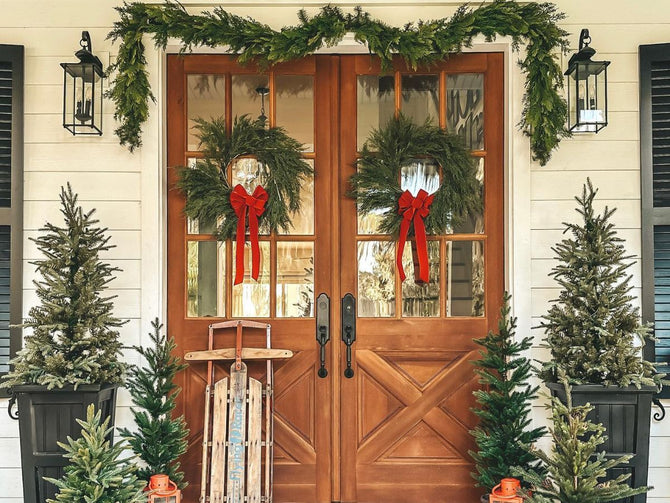
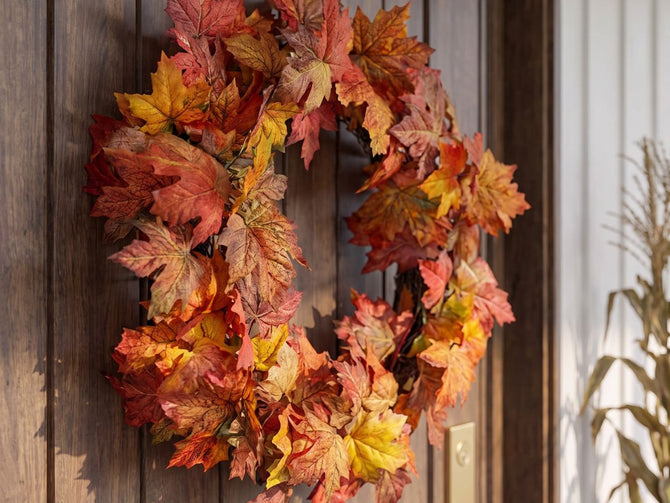
Valentine’s décor looks best with multiple pieces styled together. A Valentine’s wreath extends the theme beyond the tree and works well on doors or interior walls.
A matching Valentine’s garland adds detail to mantels, shelves, or stair rails. Repeating colors and textures creates visual flow throughout your space. This layered approach keeps décor cohesive without feeling overdone.
Styling Valentine’s Décor by Room
Living Rooms
A medium or tall tree can act as a seasonal focal point. Garlands help tie the décor together.
Entryways & Small Spaces
Mini trees paired with a wreath create a welcoming first impression.
Dining Areas
Tabletop trees and subtle heart accents add charm without overwhelming the space.

Why Artificial Valentine’s Décor Works
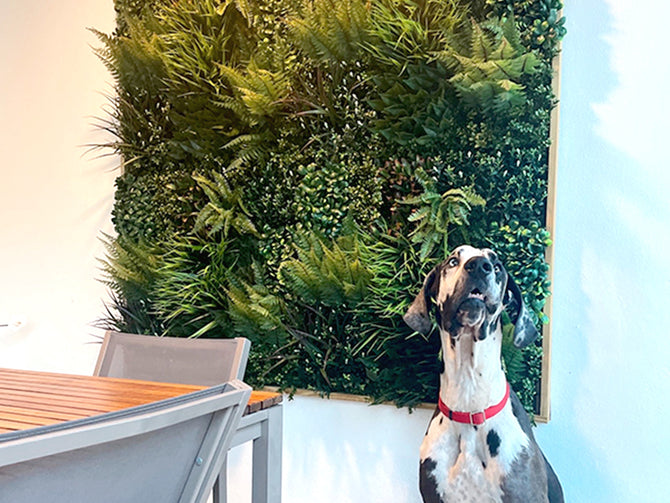
Artificial Valentine’s décor is easy to use and reuse. They require no watering, shedding, or cleanup. These pieces are safe for homes with pets and children. They also work well in low-light interiors. For modern homes, artificial décor supports simple seasonal updates.
How to Choose the Right Valentine’s Tree
Choose your tree size based on room scale and ceiling height. Smaller rooms work best with tabletop trees. Soft pinks and reds blend well with neutral interiors. Avoid overly bright tones for a cleaner look. Pair trees with matching wreaths or garlands for consistency.
Simple Styling Tips for 2026
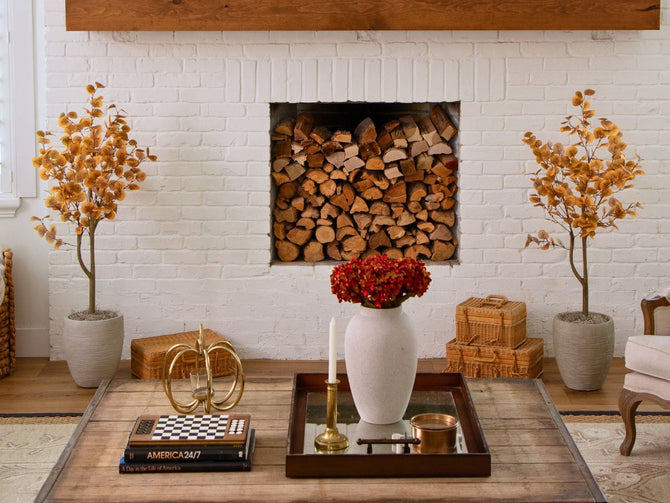
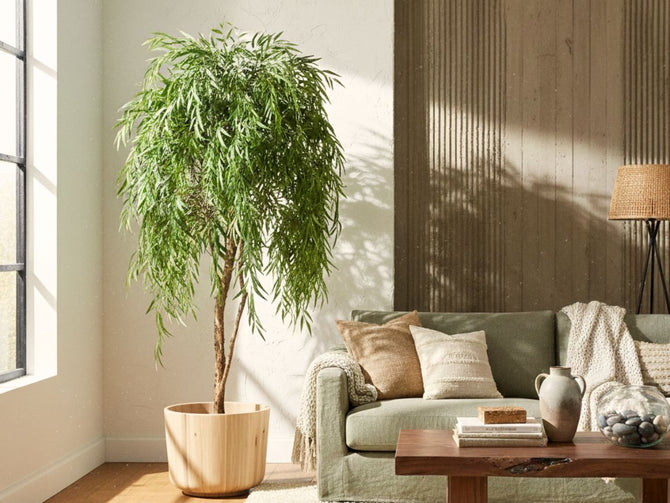
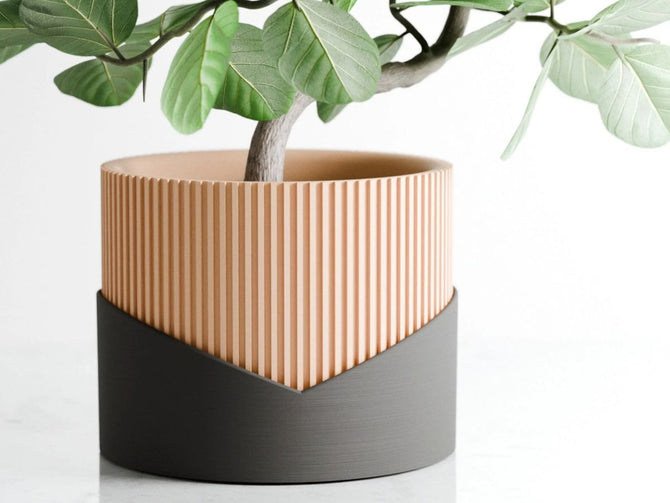
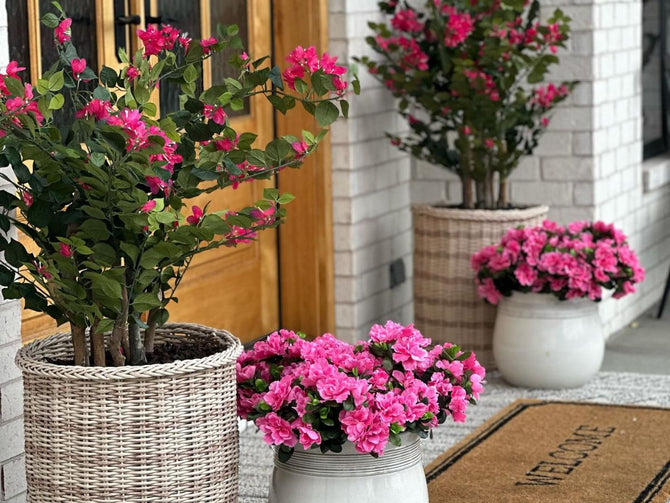
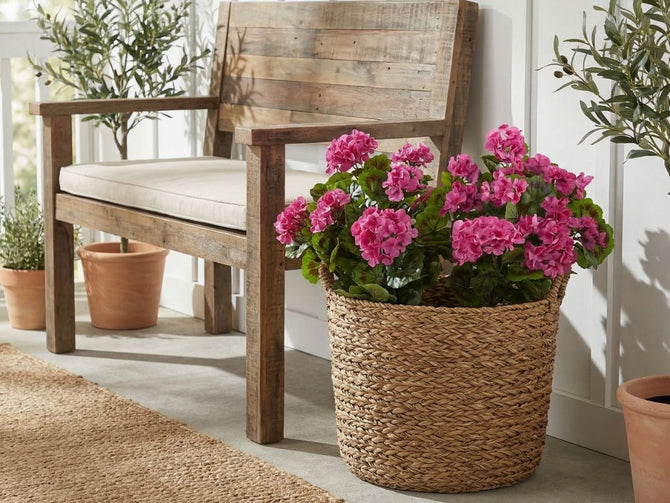
Use neutral planters or ceramic pots to ground the décor. Add candles or soft textiles to enhance the romantic home décor feel. Place trees near windows, corners, or furniture to keep layouts balanced.
A Cozy Seasonal Update for Winter Homes
Valentine’s Day trees remain a standout décor trend for 2026. They offer a warm way to refresh interiors during winter without heavy decorating.
Lighted trees, heart accents, wreaths, and garlands create a coordinated seasonal look that feels intentional and inviting. Explore Nearly Natural’s Valentine’s Day collection to find décor that fits your space and seasonal style.

