





How to Style Fall Stems and Branches at Home
Michelle GarciaStyling fall stems calls for choosing the right vase, careful shaping, and thoughtful placement. Artificial foliage makes it easy to bring seasonal color onto side tables, on mantels, and in entryways without watering or replacing fresh branches throughout the season.
The same set of faux fall stems can work in several areas of the home. Arrange them vertically in a vase, layer them across a mantel, and use them to create a welcoming entryway display. With the right scale and shape, artificial foliage can support your fall decorating from early September through Thanksgiving.

Start with the Right Vessel
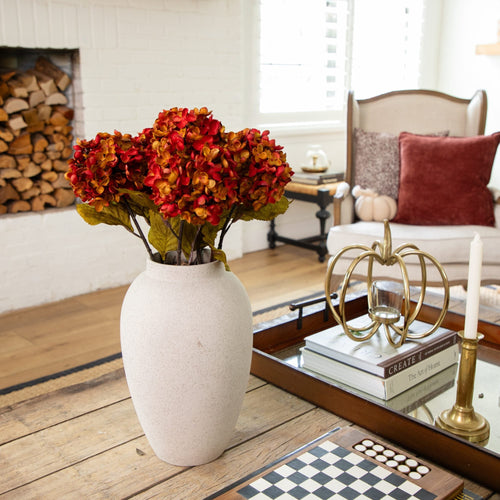
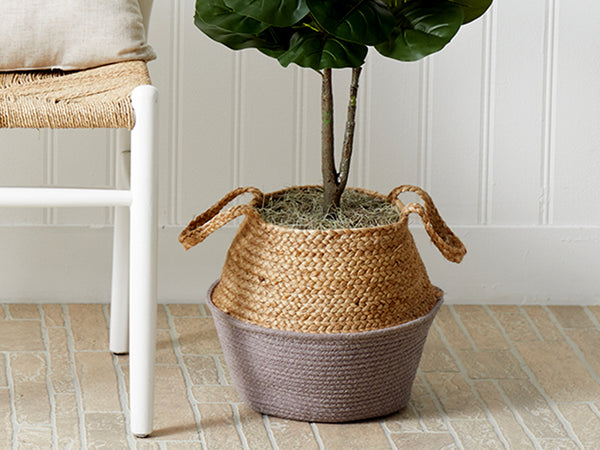
The container provides the foundation for the entire arrangement. Tall fall branches pair well with substantial vessels such as ceramic urns, stoneware crocks, matte vases, and decorative baskets.
Scale is important. As a general guideline, branches should extend approximately 1.5 to 2 times the height of the vase. A 12-inch vase, for example, can support an arrangement that extends about 18 to 24 inches above the opening.
Wide-mouth containers may require additional support to keep branches in position. Floral foam, decorative rocks, flower frogs, or loosely crumpled chicken wire can help secure individual stems and maintain the desired shape.
Select a vessel that complements the foliage without competing with it. Neutral finishes such as cream, brown, black, or natural stone allow rust, burgundy, orange, and golden leaves to remain the focus.
Shape Your Stems Before Styling
Artificial stems can become compressed during packing and shipping, so shaping them before arranging is an important step.
For loose styles not meant to be fully upright, gently bend wired branches into a natural curve. Adjust smaller branches and leaf clusters in several directions rather than keeping them evenly spaced.
Natural branches are rarely symmetrical. Varying the angles and positions of the leaves helps artificial fall branches appear more realistic.
Different stem heights also create dimension. Bend or trim stems when appropriate so the foliage does not form one flat line across the arrangement.
This technique works with seasonal foliage as well as other artificial stems, making it useful for arrangements throughout the year.

How to Arrange Fall Stems in a Vase
For balanced flower arrangements, begin with an odd number of stems, such as three, five, or seven.
Position the tallest branch slightly off-center. Add shorter stems around it at different angles, allowing some foliage to extend outward while other leaves remain closer to the center. If your vase will be against a wall or other backdrop, add taller pieces in the back and shorter in the front.
Texture can make the arrangement more interesting. Combine maple or oak-inspired fall foliage stems with berry branches, wheat, seed heads, or dried-style grasses. Different leaf shapes and textures add depth while maintaining a natural appearance.
Color should also be considered. Rust, burgundy, amber, and gold create a traditional autumn palette. Choose one dominant color and use secondary shades as accents rather than giving every color equal visual weight.
A single statement branch can also be effective. One sculptural branch in a tall vase creates a simple arrangement that works especially well on consoles, dining room sideboards, or larger tables.
Fall Branch Ideas for Your Mantel
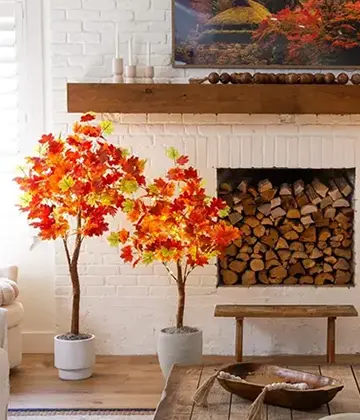
Fall branches can be arranged horizontally to create seasonal mantel decor without using a traditional garland.
Lay flexible stems across the mantel and overlap the branches slightly so the foliage appears connected. Extend the arrangement evenly across the surface or concentrate more foliage on one side for an asymmetrical design.
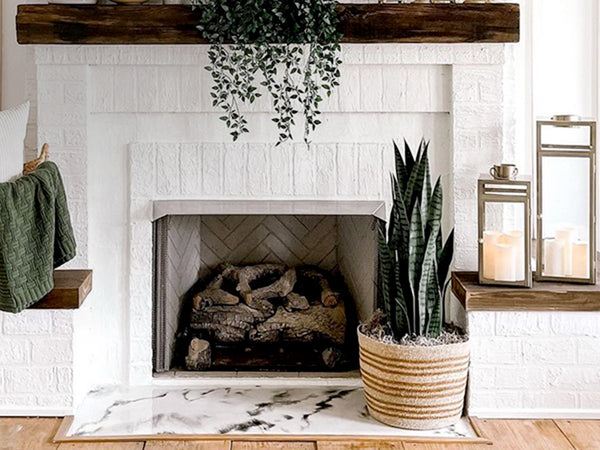
Layer additional seasonal accents between the branches. Small pumpkins, lanterns, and candlesticks add height and texture while complementing the fall leaf decor.
Branches can also be displayed in vases at either end of the mantel. Displaying vases and branches of varying heights creates balance without requiring identical arrangements on both sides.
Keep artificial foliage away from open flames and heat sources. LED candles offer a safer way to create warm seasonal lighting around faux leaves and branches.
Style Fall Stems in an Entryway
An indoor entryway provides an ideal location for seasonal foliage because it introduces the home's autumn color palette as guests arrive.
Place a tall vase of fall branches on a console table and pair it with functional pieces such as a table lamp, tray, or bowl for keys. Combining decorative and practical items keeps the arrangement appropriate for everyday use.
For narrow consoles, use a slim vase with two or three stems rather than a large arrangement. Leaving open space on the surface prevents the entryway from appearing crowded.
The foliage can also coordinate with other pieces from our Fall Shop. Repeat one or two colors from the branches through small pumpkins, decorative accents, or nearby textiles to create a cohesive design.
Make Faux Fall Stems Look Fuller
Full arrangements depend more on shaping and placement than on using a large number of stems.
For oversized vases, combine two matching sets of foliage. Bend each branch in a different direction so repeated stems are less noticeable and the arrangement gains volume.
Next, spread individual leaf clusters outward. Adjusting foliage at several heights helps fill open areas while preserving space between branches.
Smaller berry or grass stems can also fill gaps between larger leaves. Avoid packing the arrangement too tightly, as some negative space helps individual branches remain visible.
If the bottom of the stems can be seen, conceal the base with decorative moss, pinecones, or river rocks when suitable for the container.
The arrangement can also change as autumn progresses. Early-season foliage may focus on rust and golden leaves, while berry stems and deep burgundy accents can transition the display toward Thanksgiving.
Care and Store Artificial Fall Branches
Artificial foliage requires minimal maintenance during the season.
Remove surface dust with a dry microfiber cloth. For detailed branches, cool air from a hair dryer on a low setting can help remove dust from smaller leaves and textured areas.
Before storing the stems, make sure they are clean and dry. Keep larger branches upright when possible or wrap them loosely in tissue paper before placing them in a seasonal storage container.
Avoid tightly compressing wired stems. Preserving their shape reduces the amount of reshaping required when they are used again the following year. Store them in a cool, dry place.
Fall Stem FAQs
What do you put fall stems in?
Fall stems work well in a variety of containers: glass vases, ceramic vases, stoneware, urns, crocks, and decorative baskets. The container should be sturdy enough to balance the height of the branches. For wide-mouth vases, use floral foam, decorative rocks, a flower frog, or crumpled chicken wire to secure the stems.
How do you make fall stems look full?
Combine an odd number of stems, vary their heights, and bend wired branches in different directions. Larger arrangements can use two matching sets for additional volume. Spreading individual leaf clusters and adding smaller berry or grass stems can also make faux fall stems appear fuller without overcrowding the container.
How tall should branches be in a vase?
Branches should generally extend about 1.5 to 2 times the height of the vase. For a 14-inch vase, the foliage can extend approximately 21 to 28 inches above the opening. The ideal proportion may vary depending on the width of the vessel and the fullness of the branches.
Can you use fall stems outside?
Use fall stems outdoors only when the product is specifically designed or rated for outdoor use. Products intended for indoor decorating should remain indoors unless the manufacturer's care instructions state otherwise. For exposed outdoor areas, select artificial foliage made to withstand the conditions of that space. Look for Indoor/Outdoor and UV Resistant in product names.
One Set of Fall Stems, Three Seasonal Looks
Artificial fall foliage can be restyled throughout the season instead of being limited to one arrangement.
Display the branches vertically in a vase at the beginning of fall. Later, separate the stems and arrange them horizontally across a mantel. As Thanksgiving approaches, move them to an indoor entryway and add berries and deeper seasonal colors.
This flexibility makes artificial branches a practical addition to seasonal decorating. They maintain their appearance, require little care, and can be stored for future use.
From simple vase flower arrangements to layered mantel displays, fall stems make it easy to introduce autumn color and texture throughout the home.